
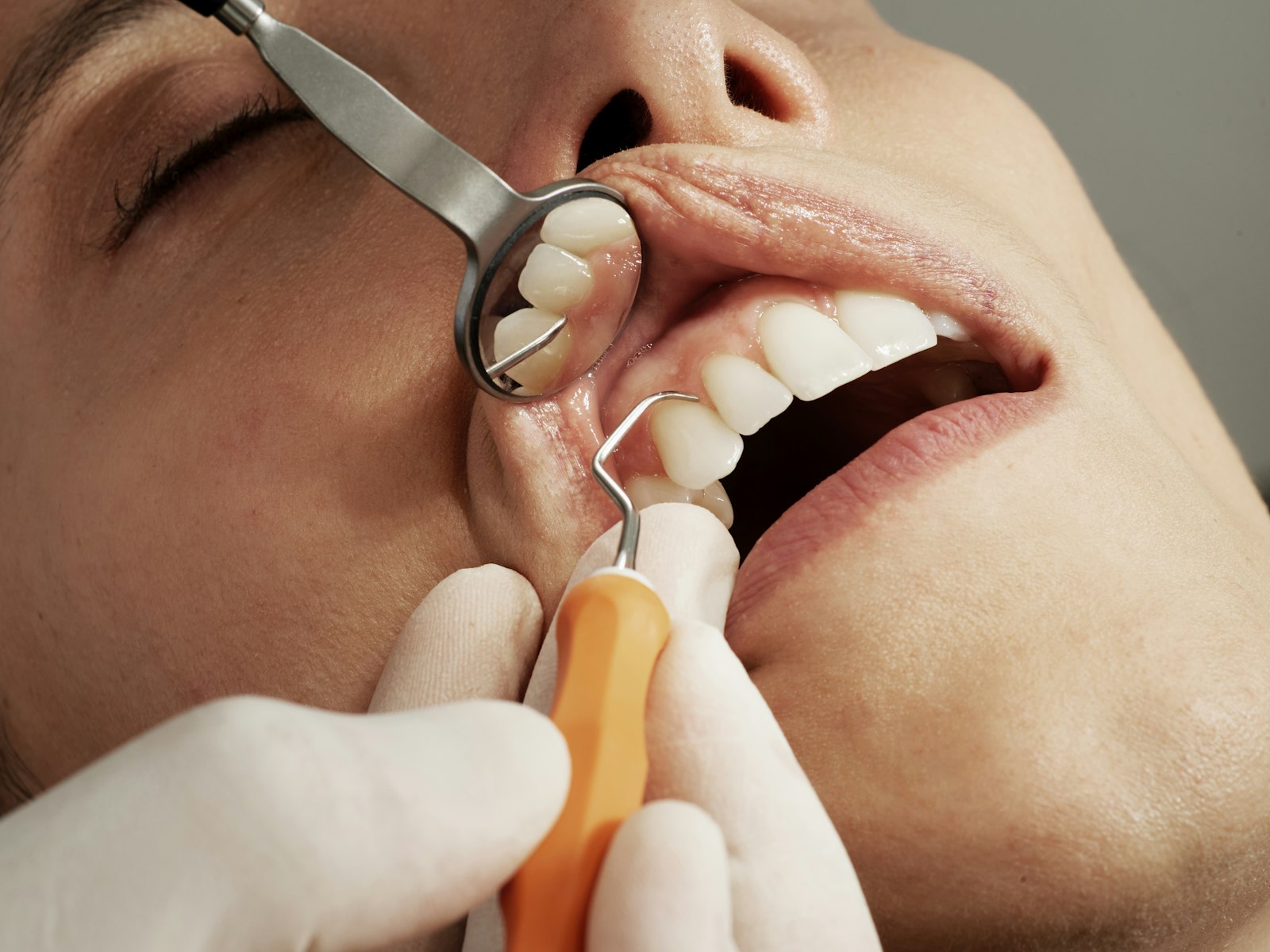
Healthy gums are the foundation of a healthy smile. While most people focus on their teeth, gum disease is actually one of the leading causes of tooth loss in adults. The good news is that, when detected early, most forms of gum disease can be treated successfully and, in many cases, prevented altogether.
In this guide, we'll explain the different types of gum disease, common signs and symptoms, and the treatment options available.
What is gum disease?
Gum disease (also known as periodontal disease) is an infection and inflammation of the tissues that support your teeth. It is caused primarily by the build-up of plaque — a sticky film of bacteria that accumulates on the teeth and along the gumline.
If plaque is not removed effectively through brushing, flossing, and professional dental cleaning, it can lead to inflammation, gum damage, and eventually bone loss around the teeth.
The four main types of gum disease
1. Gingivitis — the early stage
Gingivitis is the mildest and most common form of gum disease. At this stage, the gums become inflamed due to plaque accumulation, but there is no permanent damage to the bone or supporting structures around the teeth.
Common symptoms
- Red or swollen gums
- Bleeding when brushing or flossing
- Tender gums
- Bad breath
- Mild gum discomfort
The good news: gingivitis is usually reversible with professional dental cleaning and improved oral hygiene habits.
Typical treatment
- Professional hygiene appointment
- Removal of plaque and tartar deposits
- Oral hygiene instruction
- Improved home care routine
- Regular maintenance visits
Most gingivitis cases are resolved within one or two visits of our Fresh Essential package combined with better daily care.
2. Periodontitis — advanced gum disease
If gingivitis is left untreated, it can progress to periodontitis. The inflammation spreads deeper beneath the gums and begins to damage the bone and ligaments that support the teeth. As the disease progresses, pockets develop between the teeth and gums, allowing bacteria to accumulate below the gumline.
Common symptoms
- Persistent bleeding gums
- Receding gums
- Teeth appearing longer
- Bad breath
- Loose teeth
- Spaces developing between teeth
- Sensitivity around exposed roots
Why it matters: unlike gingivitis, bone loss caused by periodontitis cannot be naturally reversed. However, with the right treatment, the disease can often be stabilised and successfully managed.
Typical treatment
- Comprehensive periodontal assessment
- Deep cleaning below the gumline (root surface debridement)
- Bacterial control measures
- Regular periodontal maintenance appointments
- Ongoing monitoring of gum health
If you're showing signs of periodontitis, our Fresh Perio programme is designed specifically for diagnosed gum disease — structured treatment over multiple visits with re-evaluation and ongoing support.
3. Aggressive periodontitis
Aggressive periodontitis is a less common form of gum disease that can affect younger individuals and often progresses more rapidly than typical periodontitis. Some patients may experience significant bone loss despite having relatively little visible plaque.
Common signs
- Rapid gum recession
- Teeth becoming loose at a younger age
- Family history of gum disease
- Bone loss visible on X-rays
Typical treatment
- Detailed periodontal assessment
- Intensive non-surgical periodontal treatment
- Frequent maintenance appointments
- In some cases, referral to a specialist periodontist
4. Necrotising periodontal disease
This is a rare but serious form of gum disease characterised by severe inflammation and destruction of gum tissue. It is more commonly associated with smoking, severe stress, compromised immune systems, and poor oral hygiene.
Symptoms
- Severe pain
- Ulcerated gums
- Bleeding
- Foul taste or bad breath
- Areas of gum tissue breakdown
Typical treatment: prompt professional treatment is essential and may include deep cleaning, antimicrobial therapy, pain management, and close monitoring and follow-up care.
What causes gum disease?
Several factors can increase the risk of developing gum disease.
Poor oral hygiene. Inadequate plaque removal remains the most common cause.
Smoking and vaping. Tobacco use significantly increases the risk of gum disease and can reduce the success of treatment.
Diabetes. Poorly controlled diabetes can increase susceptibility to gum infections.
Genetics. Some individuals are naturally more prone to periodontal disease despite maintaining good oral hygiene.
Stress. Chronic stress may affect the body's ability to fight infection.
Hormonal changes. Pregnancy, menopause, and hormonal fluctuations can increase gum sensitivity and inflammation.
How is gum disease diagnosed?
At Fresh, we assess gum health using a detailed periodontal examination, which forms part of our Fresh Platinum method. This may include:
- Measuring gum pocket depths
- Assessing bleeding levels
- Evaluating gum recession
- Checking tooth mobility
- Digital X-rays where required
- Monitoring changes over time
Early diagnosis allows us to intervene before permanent damage occurs.
Modern treatment options
The most appropriate treatment depends on the severity of the condition.
Professional hygiene therapy. For early gum disease, professional cleaning combined with improved home care can often restore gum health. Available across all our Fresh packages.
Non-surgical periodontal treatment. For periodontitis, treatment focuses on removing bacteria and deposits beneath the gumline to reduce inflammation and halt disease progression.
Advanced biofilm removal. Modern air-polishing systems can help remove the bacterial film comfortably and effectively as part of ongoing maintenance care. Available in our Fresh Plus and Fresh Platinum packages.
Periodontal maintenance. Once gum disease has been stabilised, regular maintenance appointments are essential to prevent recurrence.
Can gum disease be prevented?
In most cases, yes. Simple habits can dramatically reduce your risk:
- Brush twice daily with fluoride toothpaste
- Clean between your teeth every day
- Attend regular dental examinations
- Visit your hygienist regularly — book a Fresh appointment to maintain healthy gums
- Avoid smoking
- Maintain good control of medical conditions such as diabetes
When should you seek professional advice?
You should arrange a dental or hygiene appointment if you notice:
- Bleeding gums
- Persistent bad breath
- Gum recession
- Swollen or tender gums
- Loose teeth
- Changes in the position of your teeth
Early intervention is often simpler, more comfortable, and more effective.
Looking after your gums at Fresh
At Fresh by DentalKind, we believe prevention is always better than cure. Our experienced clinicians — Kerry and Holly — provide comprehensive gum health assessments and tailored treatment plans designed to help you achieve long-term oral health.
Whether you're experiencing early signs of gingivitis or require treatment for more advanced periodontal disease, we're here to help you protect your smile for years to come.
Concerned about your gum health? Book a Fresh appointment today and take the first step towards healthier gums. NHS patients welcome — no need to leave your existing practice.
Our clinical team is led by dual-qualified hygienists Kerry and Holly, with over 20 years of combined experience in preventative and periodontal care.
Meet the team →